Kyoto Rituals: Tea Pavilions, Zen Courtyards & Kaiseki
Unraveling the quiet cadence of Japan's ancient capital through sensory observation, architectural stillness, and intentional dining.
Contents of this Dispatch
In Kyoto, time does not flow in a linear rush; it lingers in the slow dripping of rainwater from cypress eaves and the rhythmic raking of white river pebbles in temple courtyards. To truly encounter this city is to step outside tourist crowds and tune one's senses to micro-seasons recognized for over a millennium.
1. The Shadow and the Wood: Machiya Architecture
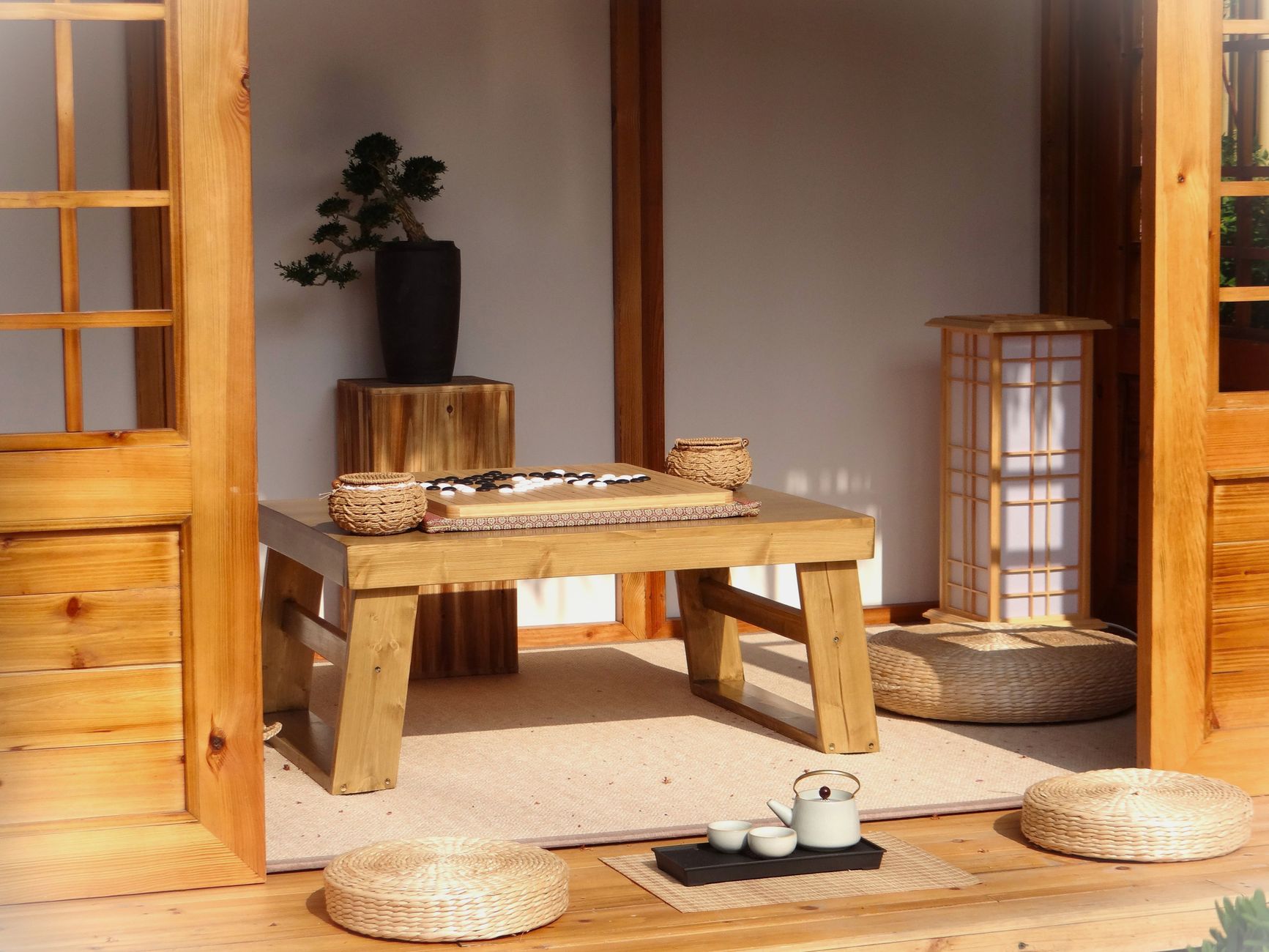
Traditional Kyoto townhouses, known as machiya, are masterworks of spatial economy and understated elegance. With narrow facades that open into deep interior courtyards (tsuboniwa), these residences draw soft ambient light deep into cedar-paneled rooms. As Junichiro Tanizaki observed in his seminal work, Japanese aesthetics find beauty not in brilliant illumination, but in subtle gradations of shadow.
Staying in a restored machiya allows travelers to experience the tactility of tatami straw beneath bare feet, the scent of aged hinoki wood, and the cooling draft created by clever cross-ventilation.
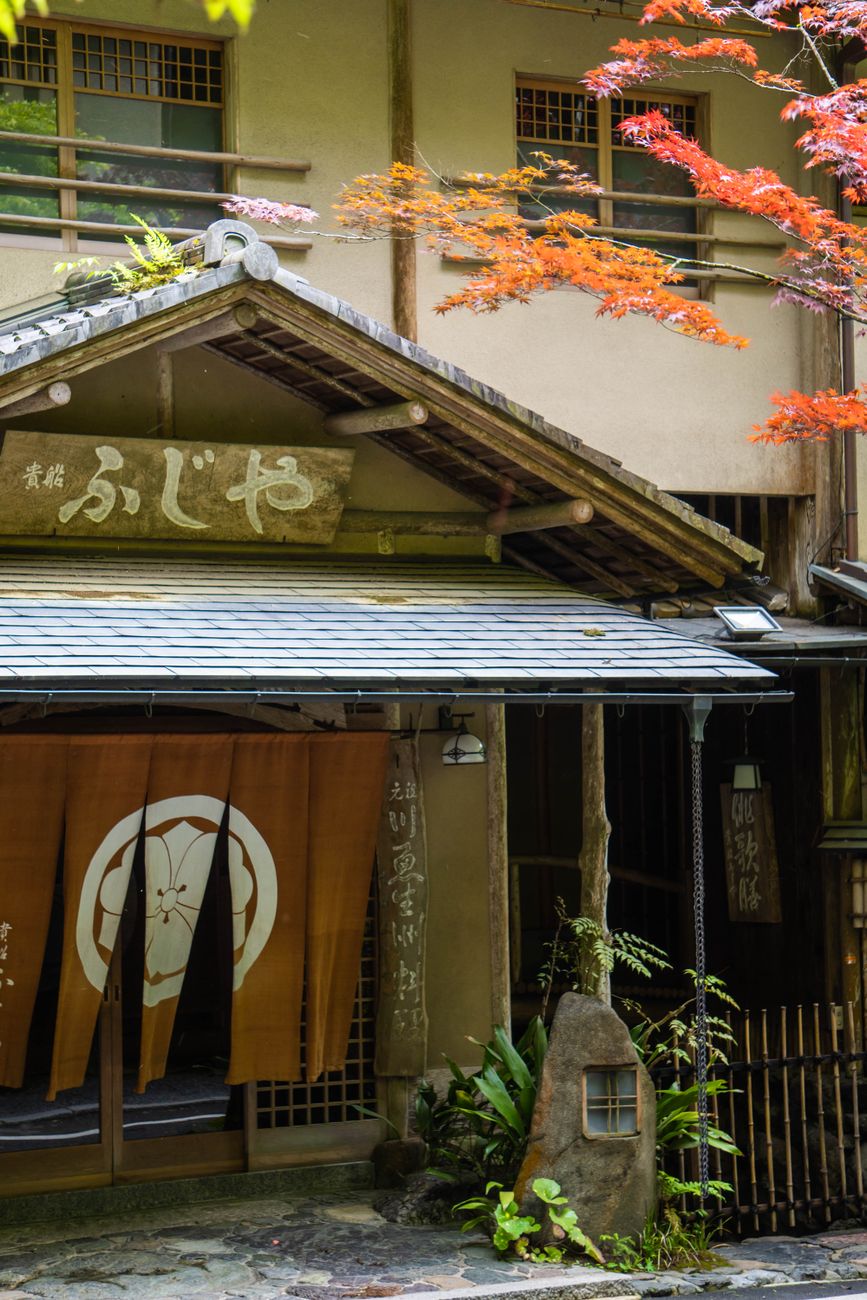
The meditative corridor of a Daitoku-ji sub-temple in early morning.
2. The Way of Tea: Microcosms of Tranquility
Entering a traditional chashitsu (tea room) requires bowing down through a small rectangular crawl door known as a nijiriguchi. Historically, this architectural detail forced samurai to leave their swords outside and rendered every participant equal regardless of societal rank.
Inside, the ceremony is stripped of excess: the boil of water in an iron kettle, the sweep of a bamboo whisk, the seasonal scroll hung within the alcove, and a single wildflower plucked that morning. Every gesture honors ichigo ichie—the profound acknowledgment that this exact gathering will happen only once in eternity.
3. The Kaiseki Philosophy: Seasons on Ceramic
Kyoto's pinnacle culinary art form, kaiseki, is poetry expressed through local, seasonal produce. Rather than overwhelming with spices or sauces, dishes celebrate pure natural flavors: sweet young bamboo shoots in spring, grilled sweetfish (ayu) in summer, matsutake mushrooms in autumn, and steaming turnip soup in winter.
Each dish is served on antique ceramics chosen specifically to reflect the precise seasonal week, honoring historical craftsmanship and respect for the soil.
4. Courteous Traveler Conduct
As Kyoto grapples with heavy visitation, traveling responsibly requires reverence: do not photograph geiko or maiko without permission in Gion, tread softly on temple floorboards, speak in hushed tones, and patronize small family-run craft stores that have sustained neighborhood life for generations.
Planning a mindful journey through Japan?
Our editors can assist with cultural etiquette consultation and machiya curation.
Inquire with Editorial Team