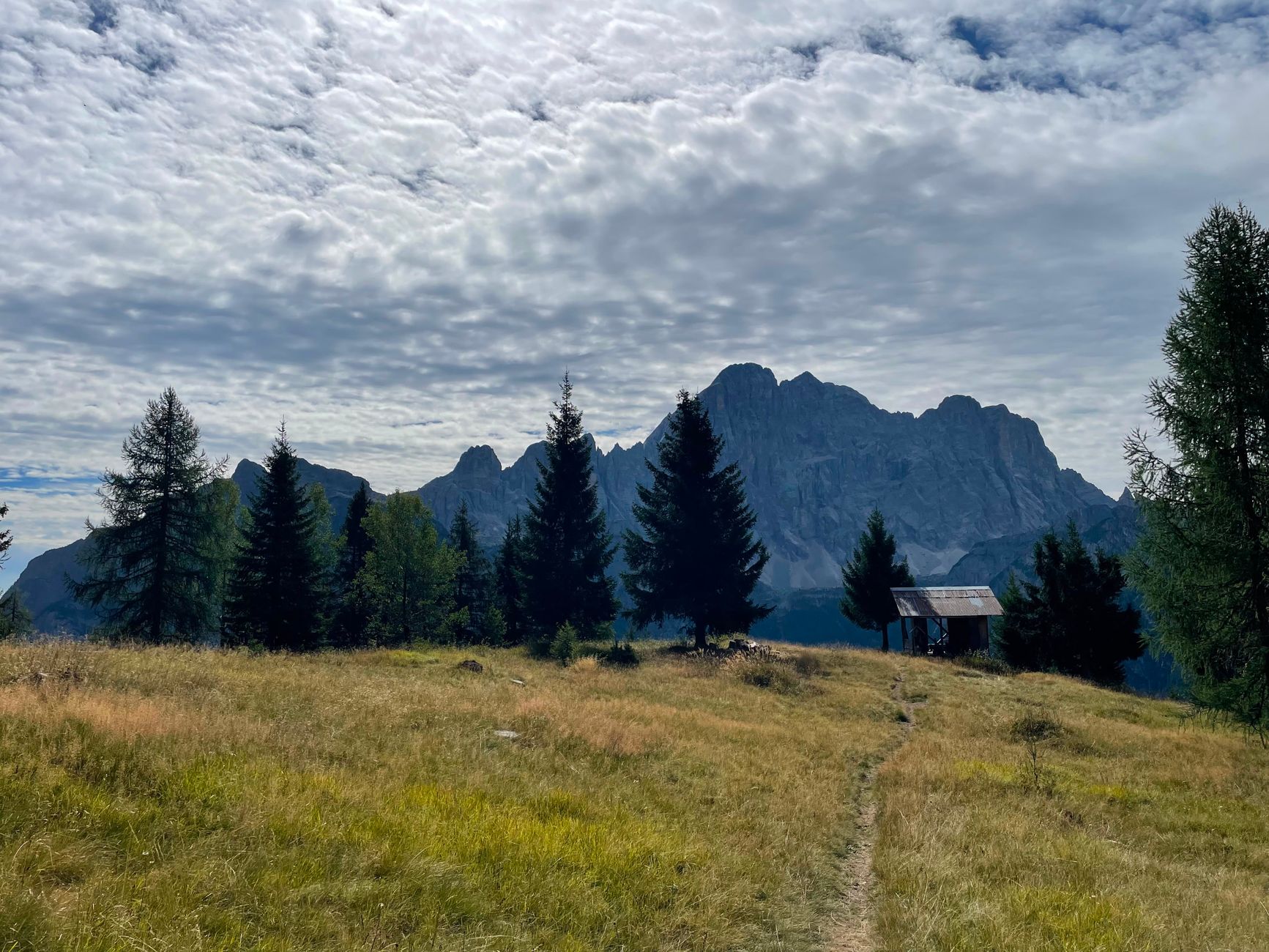
The Silence of the Valleys: Traversing Northern Italy
A slow wanderer's journey through Alta Badia, staying in historical stone shelters, and rediscovering the restorative value of silence.
Contents of this Dispatch
When morning light strikes the pale limestone cliffs of the Dolomites, there is an instantaneous, fleeting window when the rock turns from cold dove-grey into an unearthly rose gold. Known locally as the Enrosadira, this spectacle is best witnessed not from an overcrowded scenic viewpoint, but from a quiet trail before the chairlifts hum to life.
1. The Threshold of Alta Badia
Walking through Northern Italy with a slow mindset demands recalibrating one's relationship with pace. Rather than racing between landmark peaks, our route focused on connecting smaller villages where the Ladin language is still spoken fluently across generations. In these valleys, wooden barns called viles sit harmoniously against sloping meadows that have been hand-scythed for hundreds of years.
As you ascend beyond the treeline, the larch forests give way to dwarf pines, limestone scree, and cushions of alpine forget-me-nots. The air becomes crisp and mineral-rich. It is in these higher elevations that the true quietude of the region makes itself felt.
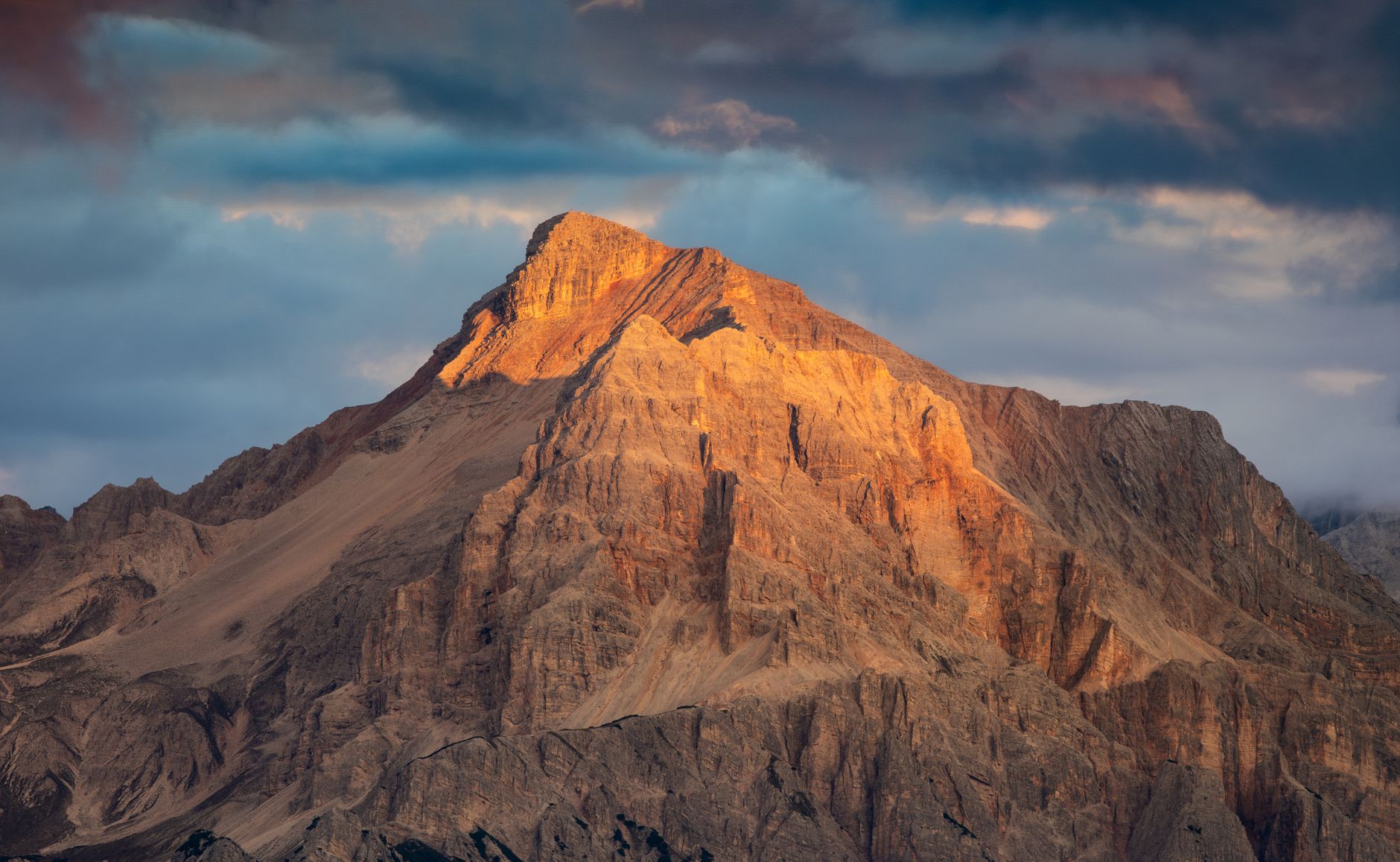
Morning light breaking over the Passo delle Erbe trail.
2. High-Altitude Hospitality and Rifugio Culture
The mountain refuge system here is not merely accommodation; it is an enduring cultural institution. Operated often by families who have tended these heights for half a century, rifugi offer warm wooden bunkrooms, crackling tile stoves, and conversations shared across long communal tables with fellow mountaineers.
To arrive at a rifugio after six hours of climbing, unlace heavy boots, and be handed a bowl of hot barley soup seasoned with mountain speckled ham is to understand the quintessential luxury of simplicity. No five-star hotel suite matches the contentment found here when night envelops the peaks outside in deep starry blackness.
3. Ladin Culinary Roots & Wild Foraging
Dolomite gastronomy is born of seasonal endurance and inventive frugality. Traditional dishes like tutres (crispy fried pastry discs stuffed with sauerkraut or wild mountain spinach) and canederli (bread dumplings bound with speck and alpine cheese in clear broth) provide both physical nourishment and a direct link to agricultural history.
Even during late spring and summer, local chefs venture along the slopes to gather pine shoots, wild thyme, and dandelion greens that later impart intense floral aromas to house-made grappas and infusions.
4. Seasonality & Trail Etiquette
For those wishing to avoid commercial congestions, the ideal window falls between late September and mid-October. The larches turn vivid amber, trails empty of summer crowds, and air clarity is at its yearly peak. Always carry layered weatherproof apparel, reserve rifugio berths at least two months in advance, and leave no trace upon the sensitive alpine ecosystems.
Enjoyed this expedition account?
Subscribe to receive our monthly print & digital essays without ads or sponsors.
Join Editorial Gazette